


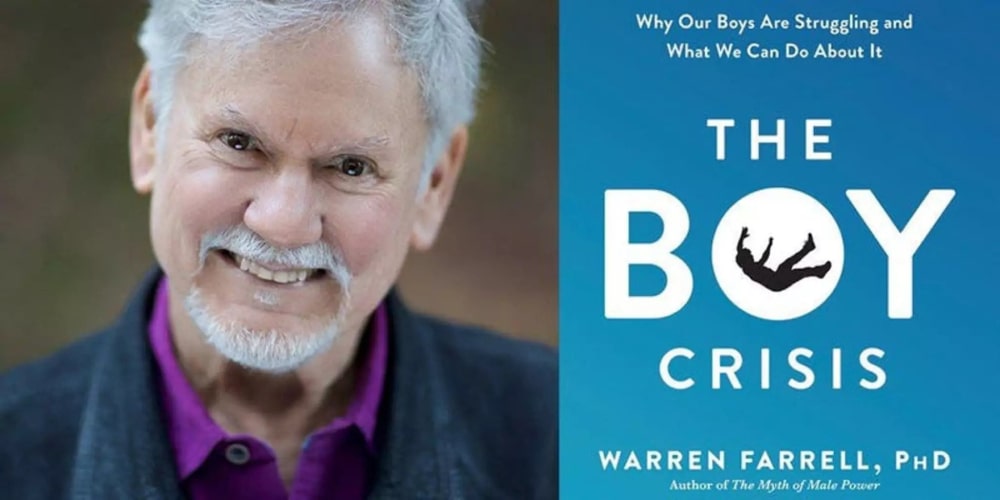
Why has it become so controversial to acknowledge the importance of fathers and intact families in a child's life? Why is it considered taboo to suggest that coming from a broken home may have negative effects on a child's success, education, and overall well-being? This shift in attitude seems to stem from a fear of alienating certain groups of people. Let me illustrate this with an example from my experiences during the last two major elections.
The following video and text stems from a video by Dr. Warren Thomas Farrell, a renowned American political scientist, activist, and author, has delved into the complexities of men's and women's issues through his extensive collection of seven books. Initially recognized as a proponent of second wave feminism in the 1970s, Farrell has since emerged as a prominent figure in the men's rights movement, offering a unique perspective on gender equality.
What his talks and books do not delve much into detail about is how we aren't objects but we are living biological beings with individual cellular nutritional needs. This of course forms the basis of society and if our society maintains a toxic food suplpy with a lack of individualized real healthcare, then we maintain a steady sick supply of individuals. In effect, he like many others are reductionist trained an separate the individual from the neck up and do not much advocate for real healthcare rather than the sick care systems we maintain.
Table Of Contents
- Reasons Why Public Opinion Against Men's Issues & Men's Wellbeing
- The Above Are General Guidelines; How Do You Know What YOU Need?
- Furthermore, we often discuss male mental health and the alarming rise in suicide rates. It's a topic that needs serious attention.
- Even in times of peace, men are expected to fulfill their historical role as the primary breadwinners. This added pressure further reinforces the notion of disposability.
Men's health is a topic that encompasses various diseases and health concerns. Why do we focus so much on dis-eases rather than wellness? Well, that's mainly because Western society maintains a "sick care" system where we visit the MD office or emergency room mainly when we become sick.
Men often lack the support they truly need. Unlike women, men don't anticipate or vocalize their need for support, which is why they don't express disappointment when it's absent. The notion of an exclusive "old boys club" is merely a figment of the feminist movement's imagination.
Women may not fully grasp the profound solitude that men experience in their lives.
Prevention is very limited and consists of very little focus on cellular nutritional health. Although some conditions affect both men and women, there are specific diseases that require unique approaches when it comes to diagnosis and management in men. Cancer, diabetes, heart disease, hypertension, impotence, and prostate health are among the major issues that men face.
Unraveling the Link Between Mind and Body: The Impact of Mental Well-being on Men's Physical Health.
The mind-body connection plays a crucial role in men's overall physical well-being, and there are several important factors to consider. Firstly, it's essential to recognize that mental health has a profound impact on various physiological processes within the body. One key aspect of this connection is stress. Men who experience chronic stress may face a higher risk of developing physical health problems, including issues with the heart, digestion, and immune system.
When the stress response is constantly activated, it can lead to increased levels of cortisol, commonly known as the stress hormone. This can have harmful effects on multiple body systems. Moreover, mental health conditions like depression and anxiety can also manifest as physical symptoms. For instance, individuals dealing with depression may experience low energy levels, disrupted sleep patterns, and changes in appetite. These physical manifestations can further affect overall health and well-being.
Additionally, unhealthy coping mechanisms often associated with mental health problems, such as substance abuse and excessive alcohol consumption, can negatively impact physical health. These behaviors can raise the risk of developing various medical conditions, including liver disease, cardiovascular problems, and weakened immune function. To maintain optimal physical health, it is crucial for men to prioritize their mental well-being. Engaging in stress management techniques like exercise, mindfulness practices, and seeking social support can help mitigate the adverse effects of mental health issues on physical health.
This is the confusing propaganda that misleads us all

There's no such thing as a "balanced diet" & nutrition isn't merely food. Why is that? It's because we're all individuals. Orthomolecular nutrition is the individualized analysis application of the substances within the food which our bodies often do not obtain enough of and are often blocked by antagonists.
"Nutrition" is far more than merely the trivial concept of food.
Botanists analyze the terrain to help plants prevent and restore cell function. Why not for humans?
What are YOUR individual cell nutritional imbalances?
1. Cellular nutrition is a vital component in maintaining men's health at its peak. By consciously selecting our food choices aided with an individualized assessment rather than a catch-all "balanced diet" virtually all of us are told to do, we can ensure that our bodies receive the necessary nutrients to function optimally. Here are some key factors to consider when it comes to eating for optimal men's health.
2. Protein Intake: Men's health greatly benefits from protein amino acid consumption, as it plays a crucial role in tissue repair, muscle growth, and immune system support. To ensure a well-rounded protein intake, it is recommended to include both animal-based sources like lean meats, poultry, and fish, as well as plant-based sources such as beans, lentils, tofu, and tempeh. We should avoid "marbled meat" from beef often because this contains the wrong types of fat.
3. Hydration: Adequate hydration is vital for optimal men's health. By drinking enough water throughout the day, you can help regulate your body temperature, aid digestion, and support the proper functioning of your organs. Men should aim to consume approximately 3.7 liters (or about 13 cups) of fluids daily, including water, herbal teas, and low-sugar beverages. We should not exceed a maximum of about 150 to 200 ml of water per session mainly because we do not absorb more than this at one time and the rest is expelled from the body or not assimilated properly.
4. Nutrient-Rich Foods: Including nutrient-dense foods in your diet is essential for men's health. Foods like dark leafy greens, berries, nuts, seeds, and whole grains are packed with vitamins, minerals, and antioxidants that promote overall well-being. These foods can also help reduce the risk of chronic diseases and contribute to a longer, healthier life. What many do not realize humans were not meant or designed to consume grains at all, but these days it's practically unavoidable, but for many this is often detrimental to health for various reasons so it's best to avoid them. Again, this is easier said than done as most of these require lots of money to buy expensive groceries and preparation time. Sometimes we could do a short-cut of sorts by supplementing large amounts of B complex via methods other than the oral route.
5. Portion Control: While focusing on nutrient-dense foods is important, it's equally crucial to practice portion control but this is easier said than done if our cells are all screwed up and we crave food and drink for various reasons from lack of sleep, MD prescribed medications, heavy metal exposure at work, all the way to insulin resistance and many others and combinations of issues.. Overeating can lead to weight gain and increase the risk of chronic conditions such as heart disease, diabetes, and certain cancers. By understanding proper portion sizes and listening to your body's hunger and fullness cues, you can maintain a healthy weight and prevent overeating.
6. Taking Control of Your Celllular Nutrition Intake: Taking control of your cellular nutritional status is essential for maintaining optimal health. It's important to moderate the intake of unhealthy foods that are high in saturated and trans fats, added sugars, and sodium but ideally best to avoid them entirely as many possess cellular IgE allergies and intolerances to many of them thus increasing inflammation. This means being mindful of processed meats, sugary beverages, fast food, and packaged snacks. Instead, make healthier choices by opting for lean proteins, whole grains, and fresh fruits and vegetables. By making these simple changes, you can pave the way for a healthier lifestyle. Again this is easier said than done because of the above causes of compulsions and cravings. This often becomes a negative feedback loop to sickness.
The Above Are General Guidelines; How Do You Know What YOU Need?

This graph is some of the results we show participants as clients just how imbalances their bodily systems are that are strongly influenced by what goes into their mouths. How do you know if your organs are functioning correctly? How do you think your organs rebuild themselves off of food, environmental toxins, social drinking and maybe smoking of various substances?
All the organs strive for a synchronicity called "homeostatis" and most of us have imbalances in these organs strongly influenced by also what goes into your mouth.
While interviewing both Republican and Democratic presidential candidates in Iowa, I found that Republicans were more inclined to agree with me on this issue, recognizing it as common sense. I had the opportunity to discuss this matter with Andrew Yang, a prominent candidate at the time, and John Hickenlooper, who is now a U.S. senator.
Andrew Yang truly understood the significance of fathers and families, as well as the crisis faced by boys. However, when his campaign manager overheard our conversation, she expressed concern. She explained that if Andrew Yang were to address these issues, it might be perceived as being pro-male and anti-female by some of their feminist followers. This could potentially lead to a loss of support from the feminist and single mother bases, which are predominantly Democratic.
It's disheartening to see how a genuine concern for the well-being of children and the importance of fathers has become a divisive topic.
If we want to secure the democratic nomination, it is crucial that we maintain our support from feminists. It's concerning that Andrew Yang and John Hickenlooper did not speak up when our feminist base started to waver. On a positive note, I had a fantastic experience with John Hickenlooper. He was understanding, compassionate, and truly grasped the importance of these issues. I even had an enlightening hour-long interview with him, where I educated him on the matter. However, I received a similar reaction from the campaign manager, which was disappointing. In contrast, when I went to the White House during the Trump administration to discuss my book on the boy crisis, I was met with a room full of 14 people. Not only were there representatives from the White House, but also from the Department of Health and Human Services and the Department of Justice. They were all astounded by the information I presented. They acknowledged that some aspects were obvious, but I provided them with precise data that helped them understand the significance of fathers and the value of roughhousing. For instance, we never would have imagined that roughhousing could be linked to postponed gratification, which is the biggest predictor of success or failure. Additionally, we never anticipated that roughhousing could predict empathy.
It's interesting how when discussing the reasons behind empathy being a predictor, it all seems to make sense. However, it's quite rare to hear a man say to his wife, "I want to roughhouse with the kids so they can develop empathy." The connection between roughhousing and empathy seems counterintuitive, but that's what we're learning from you. Through my research on the book "The Boy Crisis," I discovered several major differences and numerous minor differences between dad-style parenting and mom-style parenting. These differences were eye-openers for me, as they shed light on the dynamics that contribute to children thriving when they have both types of parenting in their lives.
Warren, it appears that we don't take this crisis seriously enough. Let me give you an example. Recently, I came across an article discussing education results in the UK. It highlighted how girls consistently outperform boys academically. Surprisingly, The Times published a somewhat lighthearted piece suggesting that maybe girls are just naturally smarter. However, if the situation were reversed, can you imagine the uproar if someone suggested that maybe men are just smarter? It's unacceptable to make such generalizations. Perhaps men have achieved more and earned more money not because they are intellectually superior, but because they have mastered the art of balancing various aspects of life better than women. But why is it acceptable to make such assumptions?
Furthermore, we often discuss male mental health and the alarming rise in suicide rates. It's a topic that needs serious attention.
More and more men are experiencing a sense of displacement from society, coupled with feelings of anger. The rise of the "incel culture" has only exacerbated these emotions. What baffles me is that it is deemed acceptable to discuss this issue, yet the underlying reasons are far from simple. Brace yourself, as I delve into the depths of this matter.
The crux of the issue lies in the fact that men, both as humans and animals, have always existed with the purpose of being willing to sacrifice their lives to protect women. This essence of masculinity revolves around the readiness for disposability. Throughout history, men have been told that they will become true men if they are willing to lay down their lives. In the United States, the iconic phrase "Uncle Sam needs you, boys" was used to inspire young men to join the war effort. They grew up idolizing figures like Uncle Joe, who wore a Marine uniform and was hailed as a hero, even though he perished at a tender age in World War I.
When a young boy faces criticism from his parents or mockery from his peers, he seeks a way to prove himself. And the path to heroism lies in embracing disposability. He believes that by sacrificing himself, he will earn respect and be revered as a hero. This sacrifice is not just for the sake of women, but also for the well-being of society as a whole, including children and other men who are not part of the war or lacked the courage to join.
Even in times of peace, men are expected to fulfill their historical role as the primary breadwinners. This added pressure further reinforces the notion of disposability.
He was determined to make money, so he set out on a journey to climb the ladder of success. Instead of pondering what he wanted to do or what his passions were, he focused on what he needed to do to earn more money. Back in high school, he had a glimmer of hope that he could be a talented writer. However, his father, in a moment of honesty, told him that only a small fraction of writers actually get published. He warned him that without a publisher, he would struggle to find a suitable partner in life. So, he advised him to let go of his dream of becoming a writer. Even after he managed to publish his first book and received a generous advance, his father still insisted that luck alone wouldn't sustain a family. He emphasized the importance of doing what was necessary to provide for a wife, children, and the entire family. It wasn't about pursuing personal desires or relying on natural talents. It was about focusing on what was needed to secure a stable income and support his loved ones.
Fortunately, in recent generations, women have increasingly shouldered more of the burden. Many women now share a greater portion of responsibilities. However, even those women who do share more of the burden still often seek men to marry if they want to have children. They look for men who earn at least as much as they do, or even more, to provide them with the option of being a full-time caregiver, a part-time caregiver, or a full-time worker. Consequently, men today are learning that if they do not fulfill their responsibilities, they will not be desired by women. This is why we often hear about the gender pay gap, which is not about men earning more than women for the same work. Instead, it is about fathers earning more than mothers, but not necessarily for the same type of work. Men tend to give up if they have aspirations of becoming the next big thing, like a young German male who may be on the verge of becoming the next Beatles. Whether he is in Germany or England, he may not even realize his potential while practicing his craft.
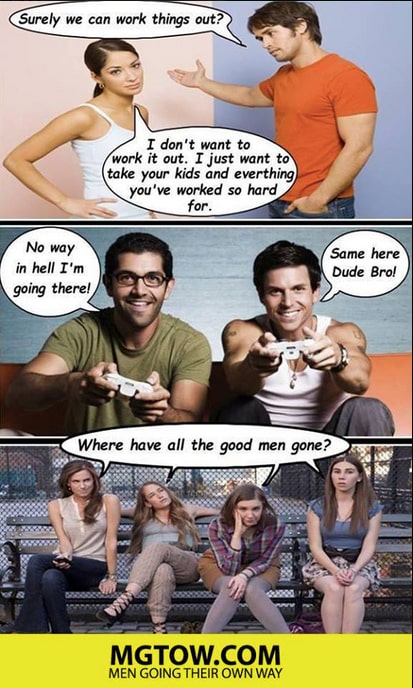
It's a rare chance, with only one in ten thousand individuals having the potential to become the next Beatles. Of course, that's probably an overstatement when it comes to the actual percentage of those who will achieve such fame. However, he is concerned that pursuing his passion may not provide a stable income. Let's say he's an elementary school teacher who is deeply passionate about educating young minds. Suddenly, an opportunity arises where he could make twice as much money as a superintendent or principal of schools. The catch is that he would have to take on more administrative work, which he despises. Despite this, he contemplates giving up his dream of being a great elementary school teacher, artist, writer, actor, or musician. He would sacrifice what he truly loves in order to earn more money and provide his wife with the freedom to choose how much she wants to work while raising their children. Consequently, these individuals often end up earning significantly higher incomes.
In the feminist movement, we often discussed how men earn more money and therefore have more privilege and power. However, it's important to recognize that men were actually sacrificing their privilege and power in order to earn higher pay. The road to success and higher pay is like a toll road, and men were willing to pay more tolls and make sacrifices to achieve their goals. This sacrifice of power and privilege should not be mistaken for actual power. Unfortunately, very few people understand this concept, which has led to a taboo around discussing privilege. Even at the elementary school level, children are being taught about men with power and privilege, without considering the disadvantages they may face, such as shorter lifespans. It's crucial to have a balanced perspective and consider all aspects when discussing privilege and advantage.
It's concerning to see how the relationship between men and women has been reduced to a competitive dynamic. This perspective is not only historically and biologically inaccurate, but also incredibly destructive. Instead of fostering collaboration, we should be focusing on working together for the benefit of all. In my book, "The Boy Crisis," I emphasize the importance of understanding that when one gender "wins," we all lose. It's time to shift our mindset and recognize that we're all in this together.