
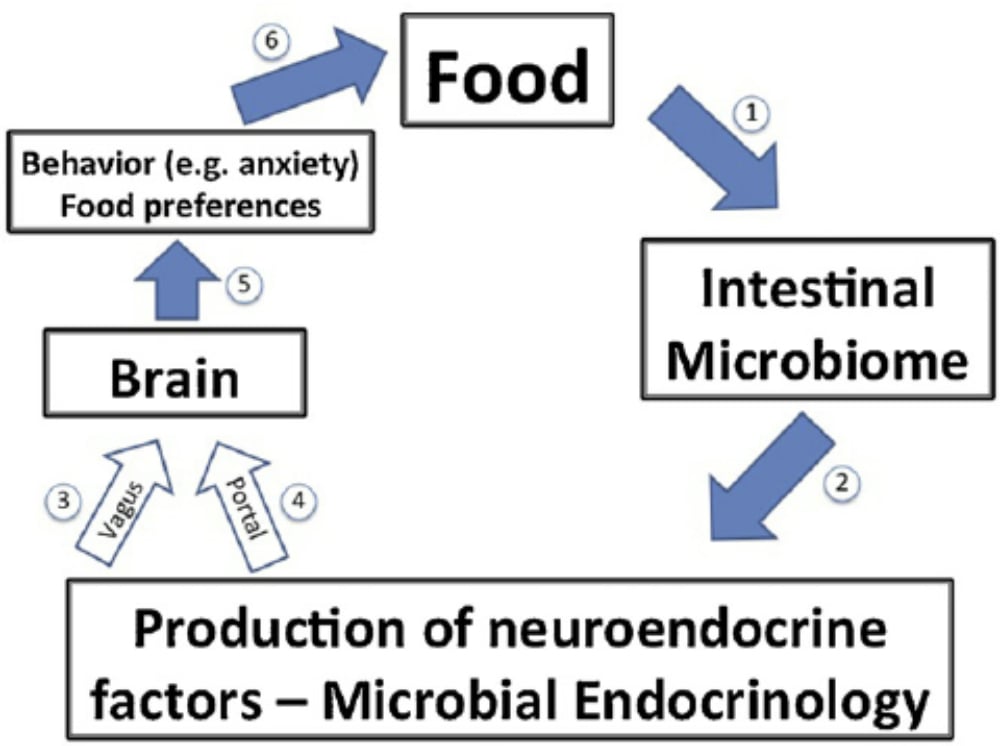
Conflict resolution between groups, individuals and society is comparable to the cellular intervention and ceasing negative feedback loops in biology and in any other discipline.
Someone specialized in conflict resolution usually intervenes in cases like this and tries to persuade the conflicting participants to resolve their issues by finding commonalities. Conflict resolution involves bringing an end to a disagreement and finding a solution that meets the needs of all parties involved. As conflict is a natural part of human interaction, effective conflict resolution does not aim to prevent disagreements from occurring. Rather, it focuses on promoting constructive dialogue, enhancing comprehension, and managing emotional reactions.
The problem is conflict resolution and psychology does not address why people start and maintain a confrontational, argumentative, and sometimes violent result. This is because psychology doesn't address why and how people make the decisions they do. In the cases mentioned we make and take the decisions we do mainly because of our minds and our minds are connected to our intestional health.
Table Of Contents
What influences intestinal, body and mind health? Mainly anything we put into our mouths and most of the time this is food and drink that are highly processed and not individualzed for ourselves.
This Is Cellular Nutrition & Cellular Function
This ad-hoc animated graph shows the interactions between nutrients in the body but there are many other cellular functions far too complex to show in an animated graph.
Behavioral health disorders can be prevented and treated through proper cellular nutrition. The neuroendocrine system relies on essential nutrients such as tryptophan, vitamin B6, vitamin B12, folic acid, phenylalanine, tyrosine, histidine, choline, and glutamic acid to produce neurotransmitters like serotonin, dopamine, and norepinephrine. These neurotransmitters play a crucial role in regulating mood, appetite, and cognition. Marine-derived omega-3 fatty acids, in particular, have been found to regulate dopaminergic and serotonergic neurotransmission, which can reduce symptoms of depression and anxiety. Therefore, a poor diet leading to inadequate nutrient intake can increase the risk of developing behavioral health disorders, making it important to address cellular nutrient deficiencies & toxicitieis in the management and prevention of these illnesses.
You Don't Believe Me Right?
The International Society for Nutritional Psychiatry Research has proposed that nutritional medicine should be acknowledged as a fundamental aspect of psychiatric practice. This innovative framework is supported by research, education, policy, and health promotion. However, the implementation of this framework faces challenges due to the intricate and multifaceted nature of behavioral health disorders. These disorders are influenced by various risk factors, including biological, environmental, social, and intrapersonal factors.
High levels of often hidden malnutrition & cellular dysfunction are frequently associated with situations of conflict. These conflicts have a negative impact on the local economy, hindering productive activities and limiting access to safe food and basic services. In order to effectively protect and promote the nutrition of affected households and communities, it is crucial to understand the impact of these conflicts. While nutrition rehabilitation and food aid are vital for immediate survival, they do not offer long-term solutions. The deteriorating nutritional status is ultimately a result of the degradation of livelihoods, and relying solely on anthropometric indicators is not sufficient for timely interventions. It is important to combine these indicators with simple measures of food consumption, which can react more quickly to both crisis situations and relief/rehabilitation efforts. Local institutions should be encouraged to share information and develop models that establish the causal relationship between malnutrition and the most vulnerable livelihood groups. This will serve as a foundation for an integrated response. Additionally, effective communication is essential to ensure that individuals can make informed decisions in an unfamiliar context.
Low Effectiveness "Talk Therapy" Without Nutritional Cellular Intervention
Even though there are a myriad of specialist psychological therapists, why do so many people keep returning to these therapists? The answer is they aren't addressing the root causes of their psychological problems and they aren't separated from the body, but thit is exactly how virtually all of human society operates. Counselors of all sorts, by nature, separate the body from the mind but this couldn't be further from the truth. Some may refer you to dieticians, nutritionists, but many people don't know the difference between these labels and many others such as naturopaths and many other label practitioners.
How do you know you're absorbing these nutrients if you obtain them? You don't!
There is an increasing fascination with non-pharmacological methods to address stress and aggression. Apart from behavioral activation and lifestyle adjustments, orally ingested vitamins, minerals, and supplements hold potential in preventing and alleviating certain symptoms that are crucial to psychiatric and psychological well-being. While most studies on aggression have focused on small mammals, future research may explore the effects of these supplements on human behavior in a more targeted manner.
This is the confusing propaganda that misleads us all

There's no such thing as a "balanced diet" & nutrition isn't merely food. Why is that? It's because we're all individuals. Orthomolecular nutrition is the individualized analysis application of the substances within the food which our bodies often do not obtain enough of and are often blocked by antagonists.
"Nutrition" is far more than merely the trivial concept of food.
Botanists analyze the terrain to help plants prevent and restore cell function. Why not for humans?
What are YOUR individual cell nutritional imbalances?
Despite the recent focus on addressing micronutrient deficiencies during crises, there is still much work to be done in ensuring food safety. Those who struggle to obtain and prepare necessary food may be forced to consume hazardous or contaminated options.
As the understanding of the relationship between nutrition and mental health progresses, the concept of "nutritional medicine" is gaining momentum among clinicians in various clinical subspecialties. There are 6 specific nutrients that directly impact and strongly influence what often starts aggressive and conflict-laden situations and these are Vitamin A, Vitamin C, Zinc, Magnesium, L-tryptophan, and Omega-3 fatty acids - on alleviating or preventing symptoms of stress and aggression. To summarize briefly: (1) Vitamin A may help reduce physical manifestations of stress, such as inflammation, while (2) Vitamin C may alleviate psychological distress and moderate acute stress responses in mammals. Additionally, (3) stress may increase the body's need for Magnesium and worsen Magnesium deficiency, which in turn can heighten vulnerability to specific stressors. (4) Zinc deficiency seems to be associated with reduced psychological adaptability. (5) Omega-3 fatty acids may have a mitigating effect on aggression and anger in stressed mammals. Lastly, (6) depletion of Tryptophan appears to be linked to increased aggression. Overall, as the literature evolves, it becomes increasingly evident that there are significant correlations between these nutrients and stress as well as aggression, warranting further research in this field.
- Vitamin A, aside from its well-known benefits for promoting healthy vision, has been found to have critical roles in immune function, reproduction, cellular communication, and organ maintenance. Recent evidence suggests that it may also play a role in stress-resistance.
- Vitamin C, traditionally known for its involvement in protein metabolism and collagen synthesis, has also been linked to mood and stress levels in a growing body of research.
- Magnesium, long recognized for its importance in various biochemical reactions, including protein synthesis, muscle and nerve function, energy production, blood glucose control, and blood pressure regulation, may also have an impact on sensitivity to and expression of stress.
- Zinc, essential for immune function, wound healing, DNA synthesis, cell division, and normal growth, may also be associated with stress and cortisol levels.
- Omega-3 polyunsaturated fatty acids, which are crucial components of cell membranes and energy production, are being studied for their potential impact on aggression and anger modulation. L-tryptophan, an essential amino acid, not only plays a vital role in protein synthesis and other metabolic processes but may also influence stress and aggression levels
Cellular Nutrition Isn't Food!
Lots of people don't realize that many body-native(natural) substances such as herbs, fat-soluble substances, and many others like water soluble substances do not stay in the body very long because of the very short half-life they maintain in the body. Half-life is 1/2 the time taken for the body to rid of any substance in a certain period of time. For instance, the half-life of Ascorbic Acid (vitamin C). There exists a prominent advocacy movement that advocates for the consumption of high doses of vitamin C. Certain authors contend that the biological half-life of vitamin C at elevated plasma levels is approximately 30 minutes, although these claims are disputed. The National Institutes of Health (NIH) researchers determined the current recommended dietary allowance (RDA) by conducting tests 12 hours (24 half-lives) after ingestion. The dynamic flow model contradicts the current low-dose recommendations for dietary intake and associates Pauling's mega-dose recommendations with other reported benefits of high doses of ascorbate in treating illnesses.
References:
http://www.ghrnet.org/index.php/joghr/article/view/3041/3351#