
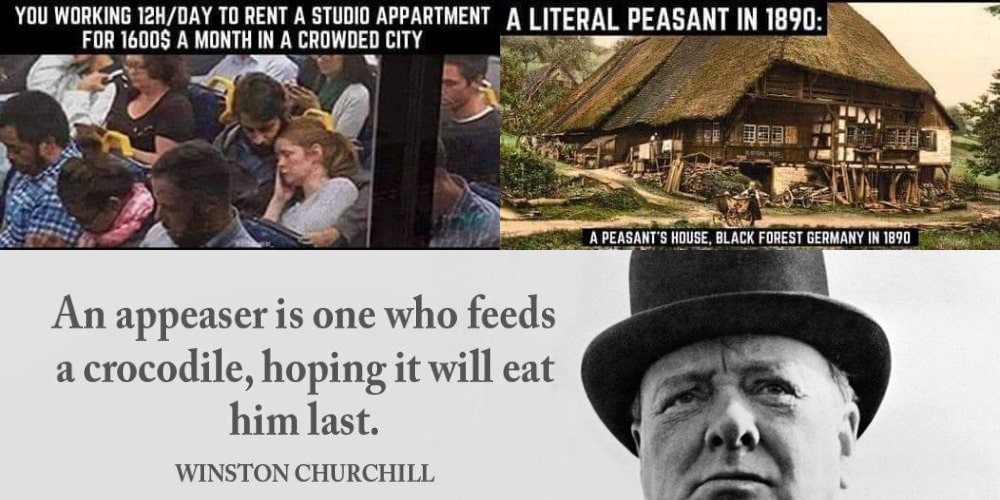
“How in the hell could a man enjoy being awakened at 8:30 a.m. by an alarm clock, leap out of bed, dress, force-feed, shit, piss, brush teeth and hair, and fight traffic to get to a place where essentially you made lots of money for somebody else and were asked to be grateful for the opportunity to do so? ” -- Charles Bukowski, author.
Witness the profound impact of work dissatisfaction by stepping into any hospital or engaging in volunteer work. There, you will undoubtedly encounter individuals who have been drained of vitality due to their despised full-time or multiple part-time occupations. Their professions have literally played significant factors in landing them in the hospital, leaving them devoid of life and vitality. The sight of these individuals, appearing colorless, gray, and utterly exhausted, is both alarming and awe-inspiring.
They are in the hospital thinking they will regain their health that they traded for devalued money; money that becomes more worthless each year. Yet, they are told to demand more money from their employer rather than blaming the politicians making the purchasing power of their money increasingly worthless. They blame their husbands, families, wives, children for their predicament as well and this is because we are trained to police each other rather than attacking the people who put formulate the policies at the very top.
Table Of Contents
- Slave Mentality: Today's Toxic Working World Entirely Neglects Individualized Health
- Do these people ever wonder why or how they "became sick" in the first place?
- This is called a "negative feedback loop"
- People Policing Themselves
- The "Pecking Order"
- Industries with toxic environments have gained notoriety for their negative reputation.
- Most of us have to work; but most of us don't receive healthcare; we get "sick care"
- How do you know how much of these and other nutrients that YOU need as an individual or if there aren't any antagonistic chemical blockages?
Do these people ever wonder why or how they "became sick" in the first place?
Few people actually think about the systems in their bodies, especially their biochemistry, affect their bodies and how constant stress combined with poor family, social life, along with and more importantly what goes into their mouths on a regular basis contributes to hospital visits. Do they ever think of all the toxins such as heavy metals and various substances in their home, workplace or even a weekly trip to a park does to their bodies? No, and that's mostly because virtually all of these substances and factors in their lives are too small to notice and often become familiar so that they don't question them.
Chronic stress has a significant impact on the body's utilization of calories and nutrients. It not only increases the body's metabolic needs but also leads to the increased use and excretion of various nutrients. If your cells fail to maintain the various nutrients they need, it often results in nutrient deficiencies. During times of stress, your body prioritizes other organs, causing your digestive processes to slow down (resulting in constipation) or discard undigested food (leading to diarrhea).
This disruption can negatively affect the absorption and storage of essential nutrients, resulting in a range of unpleasant symptoms during and after distress. Prolonged stress can also lead to insufficiency of vital vitamins. The heightened function of the adrenal glands requires additional magnesium, B vitamins, and vitamin C to support the production of stress hormones. Consequently, gastric secretions weaken, limiting your ability to absorb nutrients effectively.
This is called a "negative feedback loop"
Furthermore, stress triggers unhealthy dietary habits such as binge eating, skipping meals, excessive caffeine consumption, and alcoholism. These habits can further deplete your vitamin stores and hinder proper nutrient absorption.
The delicate balance of blood glucose levels is maintained through a clever interplay of negative feedback loops involving insulin and glucagon. When glucose levels soar, the body swiftly responds by releasing insulin into the bloodstream. This prompts the cells to eagerly absorb and store glucose, effectively reducing the concentration of glucose in the blood. Conversely, if blood glucose levels dip too low, the body springs into action by releasing glucagon. This hormone stimulates the release of glucose from certain cells in the body, restoring the balance once again.
“The Dalai Lama, when asked what surprised him most about humanity, answered "Man! Because he sacrifices his health in order to make money. Then he sacrifices money to recuperate his health. And then he is so anxious about the future that he does not enjoy the present; the result being that he does not live in the present or the future; he lives as if he is never going to die, and then dies having never really lived.” -- Dalai Lama.
Many people never question that they are living in a literal matrix of power very similar to the one aptly described in the 1999 film "The Matrix."
Many fail to recognize that early Hunter gatherers only worked an average of approximately 15 hours per week. The concept of toiling endlessly for a job only emerged much later. There was a time when a more intricate society required it for its functioning. However, with the advent of automation, there is no longer a valid justification for individuals to be bound to the excessive hours of work we endure, whether it be the minimum of 40 hours or the extreme of 70+ hours per week.
This is the confusing propaganda that misleads us all

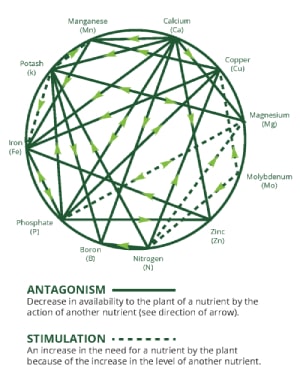
There's no such thing as a "balanced diet" & nutrition isn't merely food. Why is that? It's because we're all individuals. Orthomolecular nutrition is the individualized analysis application of the substances within the food which our bodies often do not obtain enough of and are often blocked by antagonists.
"Nutrition" is far more than merely the trivial concept of food.
Botanists analyze the terrain to help plants prevent and restore cell function. Why not for humans?
What are YOUR individual cell nutritional imbalances?
Medieval peasants only worked about 150 days per year because The Catholic Church at the time understood that it was important to keep them healthy with frequent, mandatory holidays.
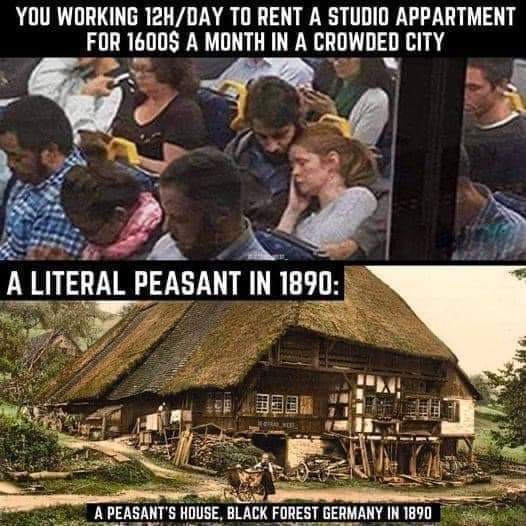
Regrettably, the majority of people in the United States have been cunningly indoctrinated into believing that work is a virtue in itself, rather than a means to an end. Corporations have skillfully exploited this mindset, and the technology that was meant to liberate us has transformed into something totally opposite.
People Policing Themselves
Chickens have natural protective instincts and will go to great lengths to ensure the safety and well-being of their flock. In order to protect the others, a sick member may be pecked at or chased away. It has been observed that hens will even peck at sick pullets, which can unfortunately result in the death of the young chicks.
The "Pecking Order"
Social hierarchy is a natural aspect of life, and it is clearly evident in a group of chickens as well as humans. Within such a group, there is always a dominant or alpha member, followed by others with decreasing levels of power. This hierarchy is commonly referred to as the "pecking order." The more dominant chickens establish their authority by pecking at or intimidating those lower in the hierarchy. Age, personality, and protective instincts all play a role in determining the pecking order. When new chickens are introduced, they typically start at the bottom but have the opportunity to work their way up. To prevent chickens from pecking each other due to the hierarchy, there are a few solutions we can consider. One option is to provide them with a larger area to roam, creating a more spacious environment. This allows the bullied members of the flock to find safety or escape from further pecking attacks. Another approach is to temporarily isolate the aggressive chickens from the group.
Industries with toxic environments have gained notoriety for their negative reputation.
While each profession has its own set of challenges and perspectives, it is important to acknowledge the historical association of toxicity with certain industries. These include Wall Street and High Finance, the Sickcare ("healthcare") industry, the Legal Profession, the Tech Industry, and Start-Ups. Moving forward, it is crucial to find ways to mitigate toxicity in these sectors.
Beware, there is another trap you should be cautious of. You might embark on your own entrepreneurial journey, only to find yourself bound to it. Even if it involves something you are truly passionate about, there may come a moment when the overwhelming workload overshadows the initial joy, burdened by the pressure to make a profit.
Society has conditioned us to doubt our own capabilities and depend on external sources for our livelihood (most of the time corporations or the root word "dead corpse"), causing us to settle for what we are told are "secure jobs," relationships, and lifestyles. It is about time for humanity to break free from this submissive position and boldly challenge the existing system, so that we can shape the society we truly desire. Unfortunately, many individuals are deeply rooted in the surrounding culture, and the mere thought of letting go of the material possessions they mistakenly believe bring them happiness fills them with dread.
While self-employment may demand dedication and effort, it grants you the liberating power to become your own boss. Although external circumstances may influence your financial gains, at least you won't constantly live in fear of being dismissed and losing everything. Relying solely on a single income source is both perilous and hazardous. Don't let conventional norms and religious beliefs blind you to the significance of having a contingency plan. Why would you risk your entire existence on a fleeting sense of security that can vanish in the blink of an eye? Your ability to provide for yourself and your loved ones should never be subject to someone else's whims. Break free from the cycle of dependence and seize control of your own destiny.
If you can't become self-employed you certainly can practice more self-care via a more individualzed approach, but if that isn't possible, you are able to practice generalized practices we often see especially online.
Most of us have to work; but most of us don't receive healthcare; we get "sick care"
Achieving a strong immune system requires finding the right balance, so it's crucial to restore equilibrium before stress takes a toll on your health. By making adjustments to your lifestyle, altering your problem-solving approach, prioritizing sleep, and improving your diet, you can regain that balance. To effectively combat stress, it's important to ensure your cells are obtaining enough nourishment. One way to achieve this is by increasing and diversifying your intake of micronutrients. Alternatively, you may consider incorporating supplements into your routine to help maintain optimal vitamin levels.
- B vitamins are essential for promoting a balanced mood, calming the nervous system, and enhancing nutrient absorption.
- Vitamin C plays a crucial role in modulating your stress response and reducing the likelihood of stress-related disorders.
- Zinc is known to boost serotonin production, which is responsible for promoting a positive mood.
- Magnesium contributes to stronger muscles and joints, while also reducing feelings of fear and anxiety. Lastly, melatonin aids in improving your mood and establishing healthier sleep patterns.
By incorporating these micronutrients into your diet or considering supplementation, you can effectively counter stress and support your overall well-being.
How do you know how much of these and other nutrients that YOU need as an individual or if there aren't any antagonistic chemical blockages?
