
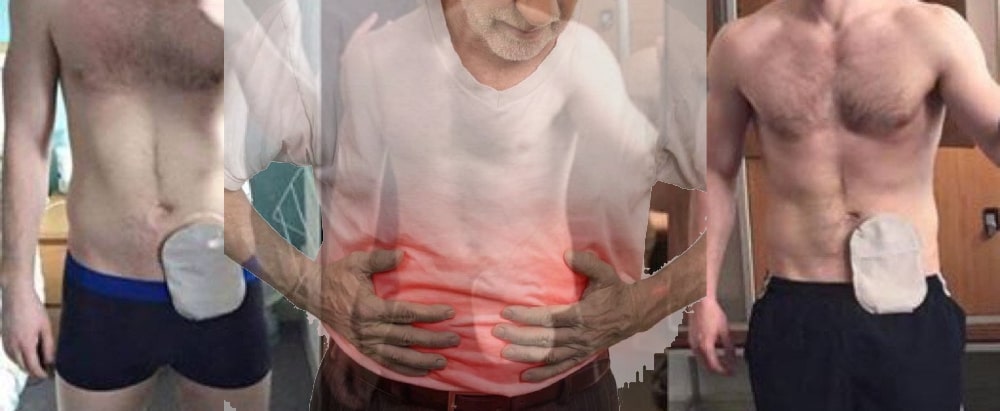
35-year-old male with childhood Crohn's disease, gout since 25, and 30% kidney function from amyloid deposits presents lethargic and pessimistic. Meds: Allopurinol, Prednisone, antacids, B12 injections; supplements: multivitamin, TUMS. Diet tweaks, protein powder, probiotics resolved diarrhea, boosted energy; Crohn's abated, later successful kidney transplant.
- A 34-year-old male exhibits significant lethargy and a negative outlook, appearing to have accepted his challenging circumstances.
- He shows considerable hesitation towards exploring alternative treatment options.
- He has been living with Crohn's disease since childhood.
- He is in a supportive marriage, with his wife contemplating the possibility of kidney donation. The couple does not have children.
- He is deeply religious and benefits from a strong community network.
- His energy levels are so low after work that he does not engage in any form of exercise.
- One of the key phrases he said over and over in his life was "you don't live forever" as a sort of nihilistic repetitive self-defeatist mindset many people carry. That is, until they become sick with some -- what they are told is -- some very serious medical condition along with intolerable suffering.
Health Concerns:
The patient is dealing with Crohn's disease, frequent diarrhea, gout since the age of 25, and has only 30% kidney function due to kidney disease characterized by amyloid deposits.\
Medications:
He is prescribed Allopurinol to manage uric acid levels and gout, has been on Prednisone for an extended period, and also takes antacids, blood pressure medications, and receives monthly B12 injections.
Table Of Contents
Supplements:
He takes a daily Quest multivitamin and TUMS for calcium, as recommended by his physician.
Bowel Symptoms:
He experiences diarrhea approximately five times a day, accompanied by cramping.
Diet/Intake:
Breakfast - fruits like orange, banana, apple, and pear
Lunch - julienne salad, soup, shish kebabs, and rice
Dinner - same as lunch
Water - 2 cups per day; Coffee - 1 cup daily; Soda occasionally; No alcohol
Physical Observations:
Thinning hair, weight loss, pale complexion, feeling tired, and negative outlook.
This is the confusing propaganda that misleads us all

There's no such thing as a "balanced diet" & nutrition isn't merely food. Why is that? It's because we're all individuals. Orthomolecular nutrition is the individualized analysis application of the substances within the food which our bodies often do not obtain enough of and are often blocked by antagonists.
"Nutrition" is far more than merely the trivial concept of food.
Botanists analyze the terrain to help plants prevent and restore cell function. Why not for humans?
What are YOUR individual cell nutritional imbalances?
Family History:
Mother: digestive issues, high blood pressure
Father: passed away from a stroke in his 60s
Surgery: 6 inches of ileum removed and reconnected.
Occupation:
Clerk and sales in a store, works long hours, finds it hard to eat regularly, often eats restaurant food at work.
Desert Island Craving:
Chocolate
Teeth:
Some silver fillings, no root canals, had braces as a teenager.
This client first came to see me when I was just starting my practice many years ago. He was a 35-year-old man who appeared very lethargic and had a negative outlook on life. It seemed as though he had resigned himself to his circumstances. Initially, he was hesitant to explore any alternative treatments. He had been living with Crohn’s disease since childhood and was happily married to a very supportive wife, who was even considering donating a kidney to him. They did not have any children and were deeply religious, surrounded by a caring community.
I actually met him when I was invited to speak to their group meetings one Saturday evening. After my talk, he decided to schedule an appointment with me. He didn’t engage in any exercise due to extreme fatigue after work. His primary health concerns revolved around his Crohn’s disease, along with diarrhea and gout, which he had been dealing with since he was 25. One of his kidneys was functioning at only 30 percent, and he had been diagnosed with kidney disease characterized by amyloid deposits. His medication regimen included Allopurinol for uric acid and gout, and he had been on prednisone for many years, along with antacids. Additionally, he was taking blood pressure medication and received monthly B12 shots.
He was taking a daily Quest multivitamin and using Tums as an antacid to boost his calcium intake, as recommended by his doctor. However, Tums contains a significant amount of aluminum, which led to increased toxicity for him. Typically, Tums is used to neutralize stomach acid, but in his case, that wasn't advisable since he already had high levels of hydrochloric acid, which was the root of his issues. On top of that, he was experiencing diarrhea five times a day along with considerable cramping. Despite this, his diet was relatively healthy. He had identified certain foods that upset his stomach. For breakfast, he enjoyed fruits like oranges, bananas, apples, and carrots. Lunch consisted of a salad, soup, fish kebabs, and rice, with dinner mirroring the same meals. He had largely cut out wheat, knowing it was a trigger for him, and was drinking about two cups of water daily.
Each day, he consumes just one coffee, which leads us to discuss his ongoing diarrhea and the cramping he experiences from time to time. He abstains from alcohol. Physically, he presents with thinning hair, a notably low body weight, and pale skin. His energy levels are low, and he often feels pessimistic. Examining his family background reveals that his mother may have digestive issues and high blood pressure, while his father, who has passed away, suffered a stroke in his 60s. This situation can be quite distressing for a 35-year-old man. He has previously undergone surgery to remove six inches of his ileum and had a bowel resection.
As a clerk and sales person, he works long hours, making it challenging for him to maintain regular meal times, so he often dines at restaurants during work. When asked about his ultimate craving on a desert island, he mentions chocolate. This question often uncovers underlying imbalances, and in his case, the chocolate craving suggests a deficiency in magnesium and a lack of excitement in his life. Consuming chocolate provides a temporary endorphin boost. Regarding his dental health, he has some silver fillings, no root canals, and wore braces as a teenager. This raises concerns about the potential accumulation of toxins over the years, which could be impacting his kidney function.
The primary goal is to initiate healing, but it’s equally important to eliminate the irritants that are contributing to the issue. In this instance, the client struggled to grasp the necessity of supplements, yet he was open to dietary changes. I suggested some supplements, but emphasized starting with dietary adjustments. My plan was to remove all forms of disaccharides, polysaccharides, grains, nuts, legumes, dairy, and hard-to-digest meats. We incorporated a specially formulated protein powder designed for such situations, which contained hydrolyzed lacto-albumin amino acids, psyllium husk to help bulk the stool, and fructose, a simple sugar. Some clients may lack the liver enzymes needed to convert fructose into glucose, leading to lactose intolerance, which can complicate the use of this formula. However, this particular client responded positively to the hydrolyzed amino acid formula I selected.
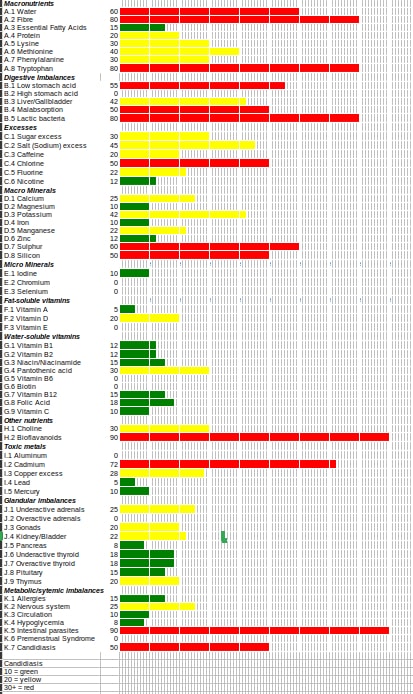
Remarkably, his diarrhea improved within a week of using the protein powder, and he was clearly pleased with the results. I typically recommend these protein powders for a duration of two to three weeks, alongside a variety of fruits and vegetables, while excluding potatoes. He consumed the protein powder mixed with water, fruits, and vegetables three to four times daily, with no other foods for two to three weeks. Initially, some fruits and vegetables may need to be cooked, as certain clients cannot tolerate raw produce. I also advised him to eliminate coffee for the time being. Upon reviewing his graph, there are several high scores present, but we need to prioritize the underlying causes. Notably, he has low stomach acid, which is a significant factor to address.
He was following his doctor's advice and taking a significant amount of calcium. However, the low acidity in his system is hindering proper absorption, causing him to lose essential proteins and minerals. With insufficient protein levels, his body is resorting to breaking down its own organs for energy, leading to a decline in both organ mass and function over time. This deterioration is particularly evident in his kidneys. Additionally, there is a high presence of lactic bacteria, indicating an imbalance in his system.
His body is lacking the necessary blood flow to help restore balance, especially concerning K5 and K7 levels. Elevated sulfur and H2 levels, along with bio-flavonoids, suggest that his liver is under significant stress and toxicity, struggling to produce enough glutathione SOD to detoxify effectively
Much of this toxicity stems from the poor quality of his diet and the presence of harmful bacteria. In this scenario, the client is also highly acidic, which contributes to his mineral deficiencies and hair loss. I recommended that he boil bones to make broth, which he could consume or blend with protein powder—aiming for about two cups daily.
He was already taking a multivitamin daily and additional calcium, which he definitely needs. However, I advised against starting a calcium supplement at this time due to his absorption issues. When calcium cannot be absorbed, it tends to accumulate in soft tissues, particularly in the kidneys and arterial walls, contributing to arterial plaque made up of calcium and unhealthy fats. Therefore, it’s best to discontinue the Tums.
The quest-multi isn't the highest quality supplement available, and it's important to note that there's no single solution that can address everything, especially in therapeutic contexts. I hadn't completed the quest moldy regimen of three per day, one with each meal, as I believed it would offer more healing nutrients essential for bowel health. Subsequently, I transitioned to the “regulat” and whole-food multi, which is an excellent formula made entirely from fermented foods. This blend is crafted to promote alkalinity and provides a synergistic array of nutrients derived from its ingredients, while also supporting bowel regulation. I administered 10 milliliters of the “regulat” in the morning and another 10 milliliters in the evening.
Additionally, a high-quality therapeutic probiotic is crucial in this scenario. My preferred choice is the HMF product from Seroyal, which I previously mentioned. I incorporated half a packet of this product into his daily meals, delivering 125 billion quality-forming units. He could easily mix it into his blender drink. I haven't introduced digestive enzymes yet, as his protein powder consists of pre-digested amino acids, and the fruits and vegetables are simple to digest. Once I moved him to the anti-fungal treatment during our second appointment, I then added the enzyme to assist with pancreatin.
He was already receiving Vitamin B12 shots, so I didn’t suggest any B12 supplements. When this client returned for his follow-up appointment three weeks later, he shared some remarkable updates: he felt significantly more energetic, his complexion had improved, and his voice and demeanor were much more vibrant. His stools were well-formed, and he no longer experienced the diarrhea that had plagued him for years, which had previously occurred five times a day along with cramping. He reported no issues with the dietary supplements and actually enjoyed the protein shakes, finding them convenient to take to work. Eager to continue his progress, I introduced a few additional supplements alongside an anti-fungal diet. I switched his probiotic to the HMF intensive, recommending one pack daily, and added a tailored enzyme along with a male multi-glandular supplement at two per day to help rebuild his organs and provide support.
I also included cod liver oil to boost his intake of vitamins A and E for gut healing, as well as essential fats to aid his nervous system and reduce inflammation. He didn’t return for a follow-up for another year. When he finally came back, it was due to gut pain. Fortunately, the Crohn’s disease was no longer a concern for him, so I attempted to discuss his kidney issues and the possibility of metal detoxification and kidney support to potentially prevent a transplant. However, he was not receptive to this idea. I provided some remedies and dietary recommendations for his gout, and he ultimately opted for a kidney transplant, which was successful.
- A 34-year-old male exhibits significant lethargy and a negative outlook, appearing to have accepted his challenging circumstances.
- He shows considerable hesitation towards exploring alternative treatment options.
- He has been living with Crohn's disease since childhood.
- He is in a supportive marriage, with his wife contemplating the possibility of kidney donation. The couple does not have children.
- He is deeply religious and benefits from a strong community network.
- His energy levels are so low after work that he does not engage in any form of exercise.
- One of the key phrases he said over and over in his life was "you don't live forever" as a sort of nihilistic repetitive self-defeatist mindset many people carry. That is, until they become sick with some -- what they are told is -- some very serious medical condition along with intolerable suffering.
Health Concerns:
The patient is dealing with Crohn's disease, frequent diarrhea, gout since the age of 25, and has only 30% kidney function due to kidney disease characterized by amyloid deposits.\
Medications:
He is prescribed Allopurinol to manage uric acid levels and gout, has been on Prednisone for an extended period, and also takes antacids, blood pressure medications, and receives monthly B12 injections.
Supplements:
He takes a daily Quest multivitamin and TUMS for calcium, as recommended by his physician.
Bowel Symptoms:
He experiences diarrhea approximately five times a day, accompanied by cramping.
Diet/Intake:
Breakfast - fruits like orange, banana, apple, and pear
Lunch - julienne salad, soup, shish kebabs, and rice
Dinner - same as lunch
Water - 2 cups per day; Coffee - 1 cup daily; Soda occasionally; No alcohol
Physical Observations:
Thinning hair, weight loss, pale complexion, feeling tired, and negative outlook.
Family History:
Mother: digestive issues, high blood pressure
Father: passed away from a stroke in his 60s
Surgery: 6 inches of ileum removed and reconnected.
Occupation:
Clerk and sales in a store, works long hours, finds it hard to eat regularly, often eats restaurant food at work.
Desert Island Craving:
Chocolate
Teeth:
Some silver fillings, no root canals, had braces as a teenager.
This client first came to see me when I was just starting my practice many years ago. He was a 35-year-old man who appeared very lethargic and had a negative outlook on life. It seemed as though he had resigned himself to his circumstances. Initially, he was hesitant to explore any alternative treatments. He had been living with Crohn’s disease since childhood and was happily married to a very supportive wife, who was even considering donating a kidney to him. They did not have any children and were deeply religious, surrounded by a caring community.
I actually met him when I was invited to speak to their group meetings one Saturday evening. After my talk, he decided to schedule an appointment with me. He didn’t engage in any exercise due to extreme fatigue after work. His primary health concerns revolved around his Crohn’s disease, along with diarrhea and gout, which he had been dealing with since he was 25. One of his kidneys was functioning at only 30 percent, and he had been diagnosed with kidney disease characterized by amyloid deposits. His medication regimen included Allopurinol for uric acid and gout, and he had been on prednisone for many years, along with antacids. Additionally, he was taking blood pressure medication and received monthly B12 shots.
He was taking a daily Quest multivitamin and using Tums as an antacid to boost his calcium intake, as recommended by his doctor. However, Tums contains a significant amount of aluminum, which led to increased toxicity for him. Typically, Tums is used to neutralize stomach acid, but in his case, that wasn't advisable since he already had high levels of hydrochloric acid, which was the root of his issues. On top of that, he was experiencing diarrhea five times a day along with considerable cramping. Despite this, his diet was relatively healthy. He had identified certain foods that upset his stomach. For breakfast, he enjoyed fruits like oranges, bananas, apples, and carrots. Lunch consisted of a salad, soup, fish kebabs, and rice, with dinner mirroring the same meals. He had largely cut out wheat, knowing it was a trigger for him, and was drinking about two cups of water daily.
Each day, he consumes just one coffee, which leads us to discuss his ongoing diarrhea and the cramping he experiences from time to time. He abstains from alcohol. Physically, he presents with thinning hair, a notably low body weight, and pale skin. His energy levels are low, and he often feels pessimistic. Examining his family background reveals that his mother may have digestive issues and high blood pressure, while his father, who has passed away, suffered a stroke in his 60s. This situation can be quite distressing for a 35-year-old man. He has previously undergone surgery to remove six inches of his ileum and had a bowel resection.
As a clerk and sales person, he works long hours, making it challenging for him to maintain regular meal times, so he often dines at restaurants during work. When asked about his ultimate craving on a desert island, he mentions chocolate. This question often uncovers underlying imbalances, and in his case, the chocolate craving suggests a deficiency in magnesium and a lack of excitement in his life. Consuming chocolate provides a temporary endorphin boost. Regarding his dental health, he has some silver fillings, no root canals, and wore braces as a teenager. This raises concerns about the potential accumulation of toxins over the years, which could be impacting his kidney function.
The primary goal is to initiate healing, but it’s equally important to eliminate the irritants that are contributing to the issue. In this instance, the client struggled to grasp the necessity of supplements, yet he was open to dietary changes. I suggested some supplements, but emphasized starting with dietary adjustments. My plan was to remove all forms of disaccharides, polysaccharides, grains, nuts, legumes, dairy, and hard-to-digest meats. We incorporated a specially formulated protein powder designed for such situations, which contained hydrolyzed lacto-albumin amino acids, psyllium husk to help bulk the stool, and fructose, a simple sugar. Some clients may lack the liver enzymes needed to convert fructose into glucose, leading to lactose intolerance, which can complicate the use of this formula. However, this particular client responded positively to the hydrolyzed amino acid formula I selected.
Remarkably, his diarrhea improved within a week of using the protein powder, and he was clearly pleased with the results. I typically recommend these protein powders for a duration of two to three weeks, alongside a variety of fruits and vegetables, while excluding potatoes. He consumed the protein powder mixed with water, fruits, and vegetables three to four times daily, with no other foods for two to three weeks. Initially, some fruits and vegetables may need to be cooked, as certain clients cannot tolerate raw produce. I also advised him to eliminate coffee for the time being. Upon reviewing his graph, there are several high scores present, but we need to prioritize the underlying causes. Notably, he has low stomach acid, which is a significant factor to address.
He was following his doctor's advice and taking a significant amount of calcium. However, the low acidity in his system is hindering proper absorption, causing him to lose essential proteins and minerals. With insufficient protein levels, his body is resorting to breaking down its own organs for energy, leading to a decline in both organ mass and function over time. This deterioration is particularly evident in his kidneys. Additionally, there is a high presence of lactic bacteria, indicating an imbalance in his system.
His body is lacking the necessary blood flow to help restore balance, especially concerning K5 and K7 levels. Elevated sulfur and H2 levels, along with bio-flavonoids, suggest that his liver is under significant stress and toxicity, struggling to produce enough glutathione SOD to detoxify effectively
Much of this toxicity stems from the poor quality of his diet and the presence of harmful bacteria. In this scenario, the client is also highly acidic, which contributes to his mineral deficiencies and hair loss. I recommended that he boil bones to make broth, which he could consume or blend with protein powder—aiming for about two cups daily.
He was already taking a multivitamin daily and additional calcium, which he definitely needs. However, I advised against starting a calcium supplement at this time due to his absorption issues. When calcium cannot be absorbed, it tends to accumulate in soft tissues, particularly in the kidneys and arterial walls, contributing to arterial plaque made up of calcium and unhealthy fats. Therefore, it’s best to discontinue the Tums.
The quest-multi isn't the highest quality supplement available, and it's important to note that there's no single solution that can address everything, especially in therapeutic contexts. I hadn't completed the quest moldy regimen of three per day, one with each meal, as I believed it would offer more healing nutrients essential for bowel health. Subsequently, I transitioned to the “regulat” and whole-food multi, which is an excellent formula made entirely from fermented foods. This blend is crafted to promote alkalinity and provides a synergistic array of nutrients derived from its ingredients, while also supporting bowel regulation. I administered 10 milliliters of the “regulat” in the morning and another 10 milliliters in the evening.
Additionally, a high-quality therapeutic probiotic is crucial in this scenario. My preferred choice is the HMF product from Seroyal, which I previously mentioned. I incorporated half a packet of this product into his daily meals, delivering 125 billion quality-forming units. He could easily mix it into his blender drink. I haven't introduced digestive enzymes yet, as his protein powder consists of pre-digested amino acids, and the fruits and vegetables are simple to digest. Once I moved him to the anti-fungal treatment during our second appointment, I then added the enzyme to assist with pancreatin.
He was already receiving Vitamin B12 shots, so I didn’t suggest any B12 supplements. When this client returned for his follow-up appointment three weeks later, he shared some remarkable updates: he felt significantly more energetic, his complexion had improved, and his voice and demeanor were much more vibrant. His stools were well-formed, and he no longer experienced the diarrhea that had plagued him for years, which had previously occurred five times a day along with cramping. He reported no issues with the dietary supplements and actually enjoyed the protein shakes, finding them convenient to take to work. Eager to continue his progress, I introduced a few additional supplements alongside an anti-fungal diet. I switched his probiotic to the HMF intensive, recommending one pack daily, and added a tailored enzyme along with a male multi-glandular supplement at two per day to help rebuild his organs and provide support.
I also included cod liver oil to boost his intake of vitamins A and E for gut healing, as well as essential fats to aid his nervous system and reduce inflammation. He didn’t return for a follow-up for another year. When he finally came back, it was due to gut pain. Fortunately, the Crohn’s disease was no longer a concern for him, so I attempted to discuss his kidney issues and the possibility of metal detoxification and kidney support to potentially prevent a transplant. However, he was not receptive to this idea. I provided some remedies and dietary recommendations for his gout, and he ultimately opted for a kidney transplant, which was successful.