
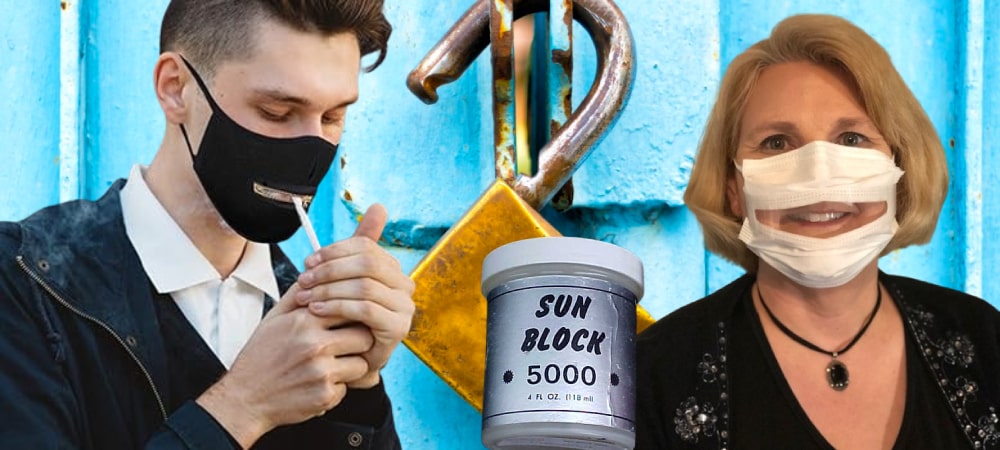
The idea of using cellular nutritional supplementary methods for systemic photo-protection is gaining traction. Our skin is constantly exposed to harmful ultraviolet (UV) radiation, which is the main cause of various skin issues like sunburn, photodamage, and non-melanoma skin cancer. However, many are still stuck on the idea that sunblock is the only way to mitigate sun damage.
The reality is applying only sunblock without realizing that we are human bodies with trillions of cells largely ignores this fact. Applying sunblock does indeed block sun, but it also blocks many essential metabolic factors such as the naturally-occuring production of various nutrients such as Calciferol (Vitamin D) among many other major and overlooked side effects.
Most people don’t apply enough sunscreen or stay in the sun for hours after applying sunscreen in the morning. “This gives them a false sense of security,” said Litvinov.
Most are not aware that sunblocks, despite their intended purpose, can actually deceive us into a false sense of security. It may come as a surprise, but relying solely on sunblocks for protection against harmful UV rays can potentially lead to an increased risk of developing cancer. While sunblocks do offer some level of protection, they often create a misconception that we are fully shielded from the sun's damaging effects. This false sense of security can lead to prolonged sun exposure, as individuals may spend more time in the sun without taking additional precautions. It is crucial to understand that sunblocks alone are not sufficient to safeguard our skin from the harmful effects of the sun.
Table Of Contents
“People think they are protected from skin cancer because they are using a product marketed to prevent a condition" said Dr. Litvinov of McGill University.
Exposure to ultraviolet (UV) radiation poses a significant threat to our skin health, leading to various disorders like sunburn, photodamage, and even skin cancer. It is crucial to address this issue throughout our entire lives. Surprisingly, recent findings have revealed that the majority of UV exposure happens during our everyday activities. In the United States, the average erythemal UV dose per year is approximately 25,000 J/m2, with females receiving around 22,000 J/m2 and males receiving about 28,000 J/m2 (65, 67). This data emphasizes the urgent need to take proactive measures to protect our skin from harmful UV rays.
When exposed to light, a series of chemical and biological reactions occur within the target tissue. The initial interaction between light and a chromophore sets off a chain of events, where the chromophore can either be directly damaged or act as a photosensitizer to trigger further reactions. In the presence of oxygen, reactive oxygen intermediates are produced, which can harm molecules and cellular structures. This cascade of reactions ultimately leads to various cellular responses, such as altered gene expression, effects on signaling pathways controlled by kinases, immune and inflammatory events, or even the initiation of apoptosis.
It is evident that there exists a peculiar phenomenon known as the "sunscreen paradox." This paradox arises when individuals who experience greater sun exposure tend to utilize more sunscreen or other sun-protection methods, but unfortunately, not in sufficient quantities in sufficient frequency. Consequently, this creates a deceptive illusion of safety and protection.
According to the researchers' analysis, the utilization of sunscreen and the presence of diseases related to vitamin D malabsorption, such as Crohn's disease, diabetes, and chronic kidney disease, contribute significantly to nearly 1 million instances of vitamin D deficiency across the globe.
Interestingly, a significant portion of the UV dose that leads to erythema occurs during regular days when we don't apply sunscreen. In the absence of externally applied products, our skin's defense relies solely on its internal mechanisms.
This is where micronutrients come into play.
Cellular nutrients can function as UV absorbers, antioxidants, or even regulate the signaling pathways triggered by UV exposure. By assessing the level of UV-induced erythema, we can effectively measure the effectiveness of photoprotection.
How do we mitigate damage to the skin? These are the main general cellular nutrients that play a major role in skin health but also other functions of the human body and not surprisingly most are lacking in the Standard American Diet (SAD).
This is the confusing propaganda that misleads us all

There's no such thing as a "balanced diet" & nutrition isn't merely food. Why is that? It's because we're all individuals. Orthomolecular nutrition is the individualized analysis application of the substances within the food which our bodies often do not obtain enough of and are often blocked by antagonists.
"Nutrition" is far more than merely the trivial concept of food.
Botanists analyze the terrain to help plants prevent and restore cell function. Why not for humans?
What are YOUR individual cell nutritional imbalances?
- Carotenoids,
- tocopherols,
- ascorbate,
- flavonoids, and
- essential fatty acids
These are all examples of cellular components that contribute to lifelong protection by bolstering our resistance against UV damage. The problem is: these are only the basics and how do you know if your intake of these nutrients in any way other than the oral route are sufficient on a daily basis to provide not only sun damage mitigation, but also mitigation of other health conditions?
In essence applying only sunblock while neglecting the entire body is foolishness
Why? this is because we are concentrated mostly on asthetics in this society and that is "looking good" while ignoring the whole body. Sunscreen is similar to wearing a mask without understanding why we "become sick" when we may encounter pathogens and when we encounter sun we think our bodies cannot mitigate damage to the skin without some type of mask applied on the sun-exposed surface of the body.
We have explored a lesser-known aspect of UV light that has significant implications. When sunscreen's active ingredients absorb UV light, it triggers a chemical reaction that produces reactive oxygen species (ROS), which are molecules that carry oxygen. These ROS molecules can potentially cause cellular damage and even contribute to the development of skin cancer if the sunscreen's agents penetrate the skin. According to Michael Girardi, a professor of dermatology at Yale Medical School and co-author of the study, commercial chemical sunblock may protect against direct DNA damage caused by UV rays, but it may not be as effective against the indirect hazards. Surprisingly, the indirect damage was found to be even worse when using commercial sunblock. It is crucial to consider these findings and be aware of the potential risks associated with sunscreen.
You may obtain the above nutrients but what about all the other factors?
There are many factors leading to sunburn and damage to the skin other than exposure to the sun, but this is what has been promulgated in the media for decades mainly to sell billions of dollars worth of products with little to no effect on the overall health of the organism (your body).
Taking care of your skin goes beyond just using skincare products. Every aspect of self-care has the potential to greatly impact the health of your skin. From the food you eat to managing your stress levels, each choice you make can make a difference.
- One way to improve your skin health is by following a Mediterranean or DASH Diet. These diets are rich in fruits, vegetables, and healthy fats, which can nourish your skin from the inside out. Additionally, managing your stress levels and finding ways to recharge through quality sleep can also have a positive impact on your skin.
- Engaging in physical activity and creating a personalized activity plan can contribute to the overall health of your skin as well.
- Exercise helps improve blood circulation, which can promote a healthy complexion. It's not just about what you do for yourself, but also about your surroundings.
- Pollution levels and your work environment can play a role in the condition of your skin. Taking steps to minimize exposure to pollutants and creating a clean and healthy work environment can help protect your skin. Personal development is another important aspect of skin health.
- Continuously growing and learning, as well as nurturing relationships with loved ones and colleagues, can have a positive impact on your overall well-being, including your skin. Finding meaning and purpose in your life and living in alignment with your spirit and soul can also contribute to the overall well-being of your skin. When you feel fulfilled and happy, it can reflect on your skin.
- While self-care is crucial, it's also important to seek professional care when needed. This includes conventional care, such as medications and procedures, as well as exploring complementary and integrative health approaches.
You still need to receive an individual analysis to determine what other factors including lifestyle that often contribute significantly to damage to the skin and these could be smoking combustibles (smoking), consuming heavily refined food and drinks, along with lack of exposure to the sun.
References:
https://medicine.yale.edu/news-article/a-new-sunblock-that-doesnt-penetrate-the-skin/