

Canola oil has become a staple in kitchens worldwide, yet half a century ago, it was primarily used in mechanics' workshops. If you were to encounter an engineer working on Canola oil refining, chances are they would steer clear of consuming any products made with Canola oil. This is because consuming the wrong kinds of fats contributes greatly to ill health and development of dis-ease.
Our bodies require a variety of different types of fats to function properly, including polyunsaturated, monounsaturated, and saturated fatty acids. Each of these plays a vital role in our overall health. However, consuming an excessive amount of one type of fat can disrupt the balance of fatty acids in our bodies and lead to health issues. One of the most commonly consumed polyunsaturated fatty acids in our diet is linolenic acid. It is an essential omega fatty acid, but we only need it in small amounts, around 1 to 2% of our daily calorie intake. So, while fats are important for our bodies, it's crucial to maintain a balanced and moderate approach to their consumption.
Interestingly, global production of vegetable oils has skyrocketed by over 1600% since the early 1900s. In just the last two decades, it has doubled, and it is projected to grow by more than 30% in the future. To put it into perspective, the consumption of soybean oil alone in the United States has increased a staggering 1,000 times since 1909.
Table Of Contents
- How Canada convinced the world to consume motor lubricant
- But what makes this a cause for concern?
- Would you want to consume an oil named after a obscene act and first used for machine lubricant? Are you a machine?
- What exactly do these oils do to our bodies?
- Saturated Fats Demonized While Oils Like Canola Are Promoted
- How can you tell what oils you're lacking or excessive of along with other nutrients and toxins? With one of our individualized assessments
But what makes this a cause for concern?
The problem lies in how these oils are processed. The seeds that are used to create the oils are exposed to extremely high temperatures, causing oxidative damage that turns the healthy polyunsaturated fats into harmful trans fats. On top of that, harsh chemicals like hexane are used to extract the oils, further compromising their quality. To cover up the unpleasant smell caused by this process, the oils undergo high heat deodorization, which damages the already unstable fatty acids and results in the production of even more trans fats. And if that wasn't worrisome enough, chemical preservatives and synthetic antioxidants are added to prolong the shelf life of these unstable fats, but they are also known to be cancer-causing agents.
It's evident that the widespread use of these processed seed oils poses a significant threat to our health. Therefore, the next time you go grocery shopping, take a moment to carefully read the labels and make informed choices about the oils you consume. Your body will greatly appreciate it.
Would you want to consume an oil named after a obscene act and first used for machine lubricant? Are you a machine?
Canola oil is a modern creation that cleverly sidesteps any negative connotations. It's not extracted from a mythical "canola plant" but rather from specially bred rapeseed varieties. The term "rape" in rapeseed actually originates from the Latin word for "turnip," not the unfortunate crime. Both rapeseed and turnips belong to the Brassica family, which also includes cabbage, broccoli, and mustard plants.
During World War II, naval machinery heavily relied on rapeseed oil as a lubricant. However, a scarcity of this oil in Canada during the 1940s sparked a significant push for its widespread development. Fast forward to today, canola oil not only holds a prominent position in your kitchen but also plays a crucial role in certain biofuels. Moreover, the leftover solids from extracting canola oil serve as a valuable protein source in animal feed.
What exactly do these oils do to our bodies?
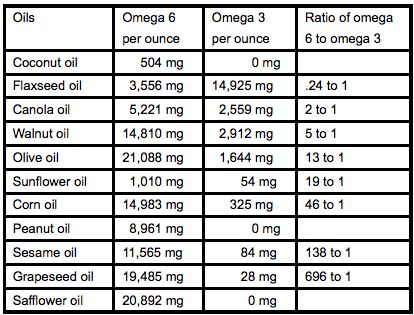
Well, Canola and other vegetable oils contain high levels of omega 6 fats, which actually hinder the action of insulin and impair the function of cell membranes. These membranes, which are made up of a bi-leptic structure, are responsible for controlling what enters and exits our cells. Without the proper fats, these membranes cannot function properly. Furthermore, these processed seed oils promote oxidative stress through their toxic byproducts and interfere with cellular communication due to their trans fats content. This leads to an increase in free radicals and low-density lipoprotein cholesterol. The inflammation caused by these oils can also result in autoimmunity and a weakened immune function.
Throughout human history, the ratio of omega 6 to omega 3 fats was approximately 1 to 1. However, in today's world, it is estimated that the ratio has shifted to around 15 to 1, primarily due to the increased consumption of seed oils. As a result, the incidence of chronic diseases has also risen.
This is the confusing propaganda that misleads us all

There's no such thing as a "balanced diet" & nutrition isn't merely food. Why is that? It's because we're all individuals. Orthomolecular nutrition is the individualized analysis application of the substances within the food which our bodies often do not obtain enough of and are often blocked by antagonists.
"Nutrition" is far more than merely the trivial concept of food.
Botanists analyze the terrain to help plants prevent and restore cell function. Why not for humans?
What are YOUR individual cell nutritional imbalances?
Saturated Fats Demonized While Oils Like Canola Are Promoted
Saturated fats have been unfairly demonized in the past, but the truth is, their impact on our health depends on their source. It's important to keep their consumption to a maximum of 10% of our daily calorie intake. However, when it comes to animal source saturated fats, it's best to opt for those from grass-fed free range animals rather than those from confined animal feeding operations. Animals that are free range have the privilege of enjoying their natural grass food in the fresh air. They have the freedom to exercise and are less stressed. As a result, their saturated fat content is lower and cleaner compared to animals that are confined and fed hay and grains to fatten them up for the market. Contrary to popular belief, saturated fats are not easily oxidized and do not promote free radical damage in the body. In fact, stearic acid, a type of saturated fatty acid, is rapidly converted into monounsaturated and oleic acids in the body. This means that our bodies can make good use of these saturated fats. Research has even shown that stearic acid can help reduce cholesterol levels.
Did you know that the average person today consumes 6 to 10% more calories from linolenic acid? This increase is mainly due to the rising popularity of vegetable oils made from seed crops. Take a look at the ingredients on your favorite food package, and you'll likely find at least one type of vegetable oil, with canola oil being a common one. These oils are everywhere and present in almost everything we consume. It's time to start paying attention to labels, as you might be shocked to discover the oils hidden in your food. So, it's important to note that saturated fats are not the main issue here. Instead, it is these altered oils that are causing a multitude of health problems. Therefore, it is crucial to steer clear of them and prioritize healthier alternatives for the sake of our well-being.
How can you tell what oils you're lacking or excessive of along with other nutrients and toxins? With one of our individualized assessments
Essential fatty acids (EFAs) play a crucial role in building cell membranes and hormones, as well as supporting the immune system. They are irreplaceable, and if the diet lacks them, the body cannot compensate with anything else. Opt for safe dietary sources like butter, olive oil, peanut oil, avocado oil, fish, eggs, poultry, almonds, walnuts, sunflower seeds, and pecans. Steer clear of polyunsaturated vegetable oils to avoid excess free radicals that can lead to heart disease and cancer. Consider organic flaxseed oil in dark gelatin capsules as a reliable EFA supplement.

Proper cellular nutrition is essential for optimal physiological functioning. It is crucial to maintain a balance to avoid any negative interactions, especially when using pharmacological doses. Various nutrients work together to support digestion and absorption. Some nutrients may interfere with these processes and compete for absorption, while others are needed together to aid in metabolism, impacting various biochemical cycles. Understanding the synergistic and antagonistic functions of nutrients is important in health and research fields. Formulating nutrient preparations with complementary nutrients can lead to more positive outcomes, while considering nutrient-related synergists is also vital.