
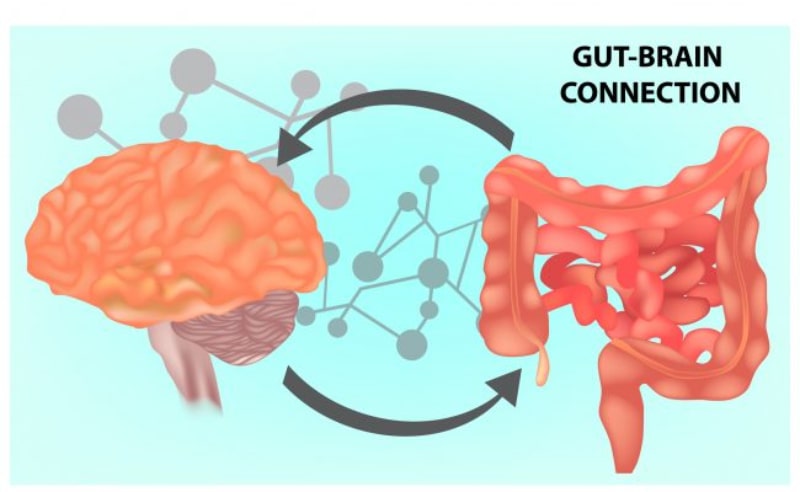
Your body is home to an immense number of microorganisms, each leading their own minuscule existence. These microorganisms collectively form a complex community known as your microbiome. Scientists are increasingly recognizing the significant impact that your microbiome has on your overall well-being. This understanding is revolutionizing the way doctors approach various medical conditions, ranging from the prescription of antibiotics to the management of irritable bowel syndrome (IBS). It is evident that the microbes residing in your gut can influence your dietary requirements and gastrointestinal health, as they play a crucial role in the process of digestion. However, what may not have been initially apparent is that the microbiome in your gut can also have an impact on your brain.
Specialized Science To Blame For Lack of Progress In World Of "Progressivism"
Biologists previously believed this to be impossible, but recent discoveries have proven them wrong. Why is this? Because their training is to reduce the body into subcomponent parts because that is how the specialization system to study only specific parts of the universe works. Students would need to be in school for practically their entire lives if they desired to understand how everything is interconnected, but this would not serve the corporate agenda to compartmentalize everything and everyone. Establishment organizations such as govern-ment and corporations rely on armies of specialized students graduating year and this has many effects including and over-supplied job-seeker market which invariably leads to hordes of people searching for work, and thus keeping wages near rock-bottom.
Researchers are making new discoveries about the connections between stress and the microbial makeup of our intestines, as well as the impact of the microbiome on behavior and mental health. Funding agencies are investing millions of dollars into understanding the microbiome-gut-brain axis, with the hope of developing new therapies. The enteric nervous system, or ENS, is a complex network of neurons that controls digestion and is connected to the central nervous system through the vagus nerve. Stress can also affect digestion, highlighting the close relationship between the gut and the brain.
Table Of Contents
For a long time, non-systems scientists believed that the microbes in the gut had no impact on the brain due to the blood-brain barrier. This barrier is designed to keep the brain's immune system separate from the rest of the body, making it difficult for anything to pass through except in cases of serious injury or illness. As a result, researchers largely ignored the microbiome and assumed that microbes did not play a role in the brain-gut connection. However, recent breakthroughs have challenged this assumption and shown that the microbiome can have a significant impact on the brain. Early research in the 1970s demonstrated that stress could alter the types of microbes found in the guts of mice, leading to changes in their behavior. While it was initially unclear if this relationship was two-way, more recent studies have shown that gut microbes can indeed affect psychological stress levels.
Systems Science Making A Comeback
In 2004, a significant breakthrough occurred in the field of research when scientists from Kyushu University in Japan made a remarkable discovery regarding the impact of certain microbes on brain chemical levels. To conduct their study, the scientists utilized germ-free mice, which were delivered through a C-section and immediately placed in meticulously clean cages, minimizing their exposure to any microbes. In comparison to a control group of mice that were exposed to a known set of microbes, the germ-free mice exhibited significantly higher levels of stress when subjected to restraint. This observation suggested that the presence of bacteria in the mice played a crucial role in regulating their stress levels. Further investigation revealed that the brains of the germ-free mice contained lower levels of a protein known as brain-derived neurotrophic factor (BDNF). BDNF is known to be essential for various cognitive functions, including learning, memory, and higher-order thinking.
The brain regions responsible for an animal's stress response showed reduced levels of BDNF in the germ-free mice. The exact mechanism by which microbes influence BDNF levels remains unclear, as it is generally believed that they cannot cross the blood-brain barrier under normal circumstances. However, the presence of bacteria in the gut appears to have a widespread impact on the body, leading to changes in brain chemistry. These findings prompted numerous research projects aimed at gaining a better understanding of the relationship between the microbiome and the brain, with a particular focus on germ-free mice. Some early studies conducted in 2010 revealed that germ-free mice were more susceptible to certain types of acute stress, such as restraint.
The concern regarding various stressors, such as adapting to a new environment, seemed to be less prominent among them. Hence, it appears that the correlation between microbes and stress is quite intricate. It is not always the case that mice without a microbiome are more susceptible to stress. Several studies have explored the consequences of introducing bacteria to germ-free mice, including changes in their behavior and the impact on stress-related genes in the brain. For instance, a study conducted in 2011 revealed that exposing germ-free mice to the microbiomes of other mice could potentially influence their behavior.
It is peculiar to think that a timid, germ-free mouse could become more adventurous if it were implanted with the microbes from a more daring mouse. However, the resulting changes in behavior correspond to an increase in the BDNF protein, indicating that the microbiome transplant has a direct effect on brain chemistry. This connection between the microbiome and the brain has prompted numerous scientists to investigate the microbiome's impact on brain function. As they gain access to the brain, they are discovering how the microbial balance can affect the levels of specific chemical messengers in the body and brain. Despite the blood-brain barrier, the microbes in the gut produce a variety of molecules that can influence the brain, including serotonin, a critical messenger that is well-known for its impact on mood.
Hence, a significant number of medications prescribed for depression and anxiety target the serotonin signaling in the brain. However, it has been discovered that the majority of serotonin in your body is not actually produced in your brain. Surprisingly, up to 80% of serotonin is synthesized in your gut, and the microorganisms residing there can influence the amount of serotonin produced. Consequently, alterations in the population of serotonin-producing microbes can have substantial effects on the overall levels of serotonin in your body. Furthermore, these changes can also impact your brain, even in the absence of neurotransmitter production. Microbes have the ability to elicit responses from the immune system, and these immune responses can significantly affect the brain. The microbiome has the potential to influence the production of cytokines, which are proteins generated by immune system cells. Notably, certain cytokines, such as interleukin 6, are known to exert an influence on stress levels.
"Leaky Brain" Just Like "Leaky Gut" Discovered
Scientists have made a fascinating discovery that microbes can release molecules that impact the behavior of the blood-brain barrier, either making it more or less permeable to outside molecules. This can have a significant effect on what is allowed in and out of the brain. However, despite researchers piecing together individual parts of the puzzle, they still cannot see the big picture. While germ-free mice studies have been informative, it is challenging to translate these findings to humans as mice are not humans. Nevertheless, these studies are still useful as they allow researchers to have complete control over the bacteria that the mice are exposed to. Although there is not a lot of research on the relationship between the gut and the brain in humans, these discoveries are so new that large-scale studies have not yet been conducted.
This is the confusing propaganda that misleads us all

There's no such thing as a "balanced diet" & nutrition isn't merely food. Why is that? It's because we're all individuals. Orthomolecular nutrition is the individualized analysis application of the substances within the food which our bodies often do not obtain enough of and are often blocked by antagonists.
"Nutrition" is far more than merely the trivial concept of food.
Botanists analyze the terrain to help plants prevent and restore cell function. Why not for humans?
What are YOUR individual cell nutritional imbalances?
In recent years, there has been a significant focus on the condition known as 'leaky gut' syndrome, which has long been linked to celiac disease. This condition has gained attention not only in the medical community but also in complementary and alternative medicine circles for many decades. Leaky gut is often characterized by an elevated permeability of the intestinal mucosa, potentially leading to the passage of bacteria, harmful digestive byproducts, bacterial toxins, and small molecules into the bloodstream. Various neurological disorders, such as autistic spectrum disorder (ASD), dementia, Alzheimer's disease, depression, and schizophrenia, have been associated with a malfunction of the blood brain barrier, resulting in a "leaky brain." Studies have shown that patients with major psychiatric illnesses also exhibit a breakdown in the blood brain barrier.
However, limited research has been conducted on the treatment of volunteers with probiotics, which involves intentionally introducing new microbes into their gastrointestinal tract, as well as prebiotics, which are fiber supplements designed to nourish beneficial bacteria. The impact of these interventions on the mood and cognitive function of the subjects was observed, suggesting a potential link between the microbiome and mental health. Nevertheless, the specific mechanisms by which prebiotics and probiotics influence gut microbes and how this translates into changes in mental health have not been thoroughly examined in these studies. In the future, researchers will delve deeper into these relationships, aiming to uncover the intricate details and determine whether their findings can be applied in medical treatments.
Several scientists are currently researching ways to "humanize" the microbiome of mice. This involves transplanting healthy and sick human patient microbiomes into mice to study the effects. By doing so, researchers can analyze how differences in the microbiome relate to changes in mental health. Additionally, they can examine the structures of brain cells and how they connect, which is not possible with human patients. Some scientists are also investigating how specific microbes affect our brains and how we can optimize our microbiomes for better health. Furthermore, researchers are exploring how other factors, such as antibiotic treatments, may impact our mental health and cognition. Although there is still much to learn about how our microbiomes affect our brains, numerous studies are underway, and scientists and doctors hope to improve lives by enhancing our understanding of the microbiome-brain connection. If you are interested in learning more about the microbiome's impact on the body, check out this video. Thank you for watching this episode of SciShow.
References: