
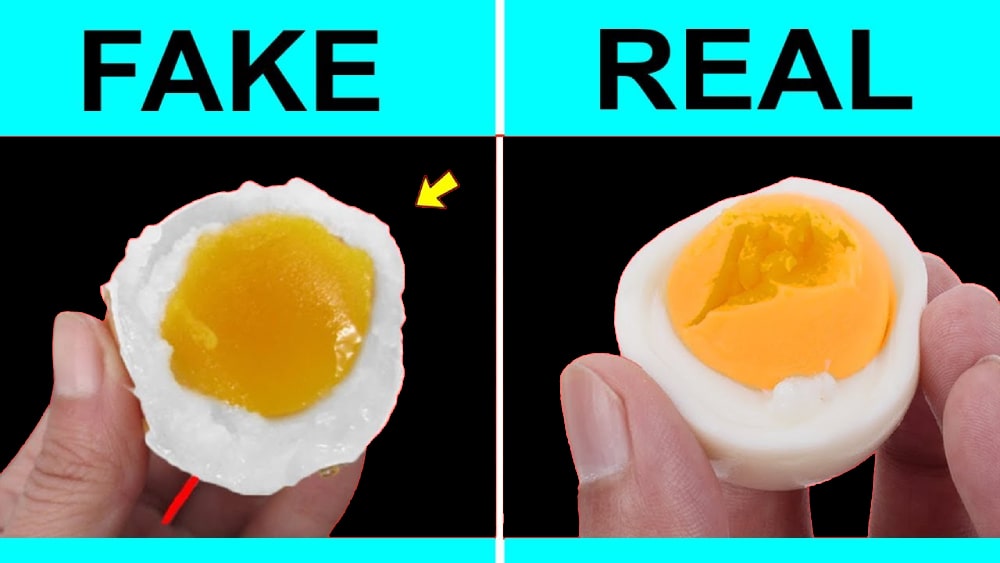
Food fraud is a serious issue that affects consumers worldwide. It's not just about being sold a cheaper product labeled as something more expensive, but it's also about the potential health risks that come with it.
The sad truth is that we might not even know the extent of food fraud because it's been happening for centuries and is often hidden from us. According to the FDA, food fraud is considered economically motivated adulteration, and it can have a significant impact on both consumers and food manufacturers. It's estimated that at least one percent of the global food industry is affected by food fraud, costing up to 40 billion dollars a year. Larry Olmsted's book, Real Food Fake Food, highlights the issue of food fraud and how it affects us all. So, the next time you're at the supermarket, be aware that what you're buying might not be what you think it is. It's time to take a stand against food fraud and demand transparency in the food industry.
The list of worst offenders in food fraud is extensive, ranging from seafood and meat to dairy, honey, alcohol, and spices. It's unfortunate that fraud tends to occur more frequently with expensive foods. Take, for instance, extra virgin olive oil, a prime target for adulteration. Dishonest practices involve adding cheaper oils to the more expensive ones, while still labeling them as 100% extra virgin olive oil. This deceptive act is a clear example of food fraud. Adulterating olive oil has been a prevalent issue for centuries due to its high value and desirability. Fraudsters may even enhance its appearance by flavoring it with beta-carotene or coloring it with chlorophyll to achieve a greener hue. Consequently, you end up with a lower quality oil that costs less. I recently purchased two different store-brand olive oils from the grocery store, and the price difference was significant. One bottle boasted a label of 100% Mediterranean blend of extra virgin olive oil, sourced from various European countries and packed in Italy. Surprisingly, it lacked an expiration date. On the other hand, the second bottle was labeled as 100% California extra virgin olive oil, first pressed, cold pressed, unfiltered, and free from artificial colors, preservatives, or flavors.
Table Of Contents
This particular product had a clearly stated expiration date, indicating that the olives were harvested in October and November of 2022. It assured that the olives would remain fresh on your shelf until August of 2024. Although it was priced significantly higher, approximately twice as much as the olive oil, it provided extensive information about the origin of the olives.
Now, let's consider the Spice Market as another vulnerable sector susceptible to fraudulent practices. Take, for example, the expensive spice saffron. I purchased a small quantity for $20 at the store. However, saffron can be adulterated with other materials, such as plant stems, and sold as genuine saffron. The FDA warns that popular spices like basil and chili powder, from various brands, can be deceptively passed off as turmeric if they are colored orange-brown and ground up. It's a clever bait and switch tactic.
Furthermore, let's not forget about fish. The FDA highlights the issue of seafood fraud, where a cheaper species of fish is substituted for a more expensive one. It can be challenging to discern the type of fish we are purchasing, especially for the majority of consumers who lack the expertise of a seasoned chef or fishmonger. While an experienced individual can identify a red snapper fillet, for instance, most consumers cannot differentiate between various white fish fillets as they all appear quite similar.
It is crucial to be aware of these fraudulent practices and exercise caution when purchasing such products.
This is precisely why there is such a significant need for action. The FDA, as mandated by law, is required to inspect a mere two percent of the imported Seafood. This standard is undeniably low, especially considering that the U.S imports a staggering 85 percent of its fish. However, we must recognize the gravity of the situation. Federal fisheries enforcement, carried out by dedicated agents from NOAA and U.S customs, is a serious matter. These agents meticulously examine containers filled with frozen fish from various sources, particularly Thailand, in order to uncover any fraudulent activities.
To truly comprehend the issue at hand, it is crucial to understand the complex landscape in which food fraud thrives. There are both intentional and unintentional types of food risks. Unintentional risks encompass food safety and quality, such as accidental foodborne illnesses. Shockingly, the CDC estimates that approximately 50 million people fall victim to foodborne illnesses each year. However, only one in five cases can be identified, leaving a staggering 40 million individuals suffering from unknown causes. It is highly likely that fraud plays a significant role in these cases.
On the other hand, intentional risks involve food fraud and food defense. The key distinction lies in the motivation behind these actions. Fraud is driven by economic gain, while defense aims to cause harm. Consider this scenario: if you possess a substantial amount of coffee and can increase your profits by 20 percent by adding a cheap filler, the temptation to engage in fraudulent practices becomes all too enticing. Moreover, these fraudulent products pass through numerous hands, traversing from small growers to large trucks, tankers, boats, and processing plants.
This is the confusing propaganda that misleads us all

There's no such thing as a "balanced diet" & nutrition isn't merely food. Why is that? It's because we're all individuals. Orthomolecular nutrition is the individualized analysis application of the substances within the food which our bodies often do not obtain enough of and are often blocked by antagonists.
"Nutrition" is far more than merely the trivial concept of food.
Botanists analyze the terrain to help plants prevent and restore cell function. Why not for humans?
What are YOUR individual cell nutritional imbalances?
It is evident that urgent action is required to combat this pervasive issue. The current inspection rate is simply inadequate, leaving room for fraudulent activities to thrive. We must advocate for stricter regulations, increased inspections, and harsh penalties for those found guilty of food fraud. By doing so, we can safeguard the health and well-being of millions of individuals and ensure the integrity of our food supply chain.
There are many ways that consumers can be taken advantage of when it comes to food, and it's not just the big companies that are to blame. The FDA has even admitted that they can't estimate how often food fraud occurs or how much it costs consumers. The most common types of fraud involve lying about the origin of an animal or diluting or substituting ingredients. This can happen at any point in the supply chain, from the expensive process of refining fresh olives to the final product on the shelf. Even non-food substances have been used as substitutes in some cases. The pandemic has highlighted the importance of focusing on supply chain transparency and prevention of food fraud. While there are laws in place to ensure food safety, prevention is key to stopping fraud before it happens. By being vigilant and checking for potential fraud, we can protect consumers and ensure that the food we eat is safe and authentic.
Manufacturers used to have free reign to add whatever they wanted to food, but thankfully regulations have been put in place to protect consumers. The Meat Inspection Act and Pure Food and Drugs Act were passed in 1906, leading to the creation of the FDA. Since then, laws like the Food Safety Modernization Act have further improved food safety protocols. However, fraud still occurs, as seen in the horse meat scandal and cases of companies purposely misleading consumers on labels. While prosecuting these fraudsters can be difficult, the FDA's job is to ensure that food doesn't harm consumers. Unfortunately, it can be tough for consumers to detect fraud in their own kitchens without access to a lab.
The Food Fraud Prevention Think Tank has developed a survey consisting of five questions that consumers can use when shopping for food. The first question asks what type of product it is, and consumers should be aware of the products they put on their skin, in their bodies, or plug into the wall. The second question is about quality, and consumers should be able to recognize the difference between products. If they can't, they are more vulnerable to fraud. The third question is about the supplier, and consumers should know and trust the retailer or supplier. The fourth question is about buying online, and consumers should be cautious about the supply chain and the reputation of the supplier. Finally, the fifth question is not really a question, but the Think Tank advises consumers to complain if they suspect fraud. Fraudsters have become more sophisticated in recent decades, so detection methods and standards must be better. The U.S. Pharmacopial Convention provides a framework for organizations to detect vulnerabilities. Manufacturers can also be victims of fraud, and the FDA relies on Consumer Reports.
We offer comprehensive guidance on food fraud mitigation, which serves as a crucial tool for managing risks in the supply chain. It is essential to closely examine products that are more susceptible to adulteration. While some may perceive this issue as insignificant, it is important to recognize that the more fraudsters succeed, the more consumers ultimately suffer the consequences. Unfortunately, these cases rarely result in criminal penalties. For instance, if someone were to engage in large-scale drug trafficking and get caught, they would face severe consequences. However, if they were to make millions of dollars by importing adulterated honey, the punishment would be minimal. This lack of criminal repercussions creates an incentive for individuals to choose food fraud over drug trafficking. As long as we fail to take this issue seriously, the perpetrators will continue to exploit it. Our goal is for the food industry to focus solely on producing safe and high-quality food, without the constant need to monitor suppliers. By addressing food fraud effectively, we can increase food production, improve its safety, and make it more affordable. In a world filled with numerous concerns, food fraud should not be one of them.