
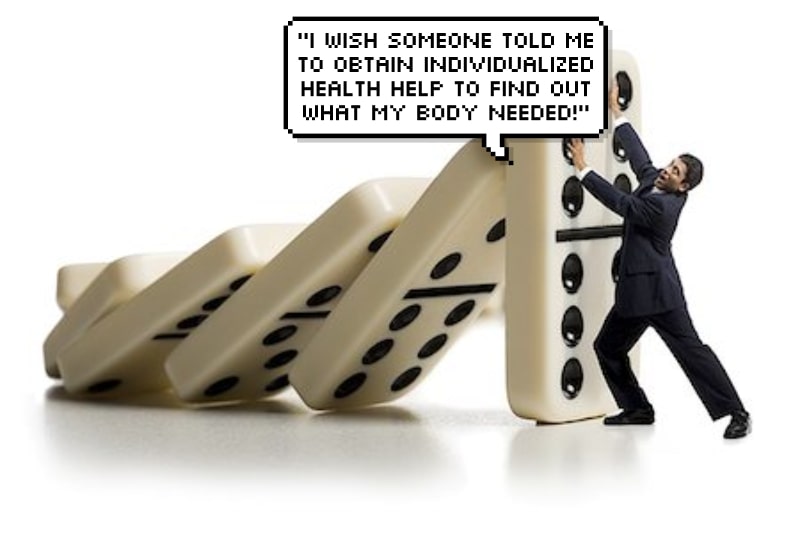
Lifestyle-related ailments such as hypertension, hyperlipidemia, and impaired glucose tolerance pose as independent risk factors for cardiovascular diseases. The accumulation of these risk factors significantly heightens the likelihood of developing cardiovascular diseases. This particular condition, characterized by the accumulation of these risk factors within an individual, is recognized as a distinct disease entity known as the 'metabolic syndrome'. The long-term consequences of this syndrome are now being referred to as the 'metabolic domino effect'. This novel concept takes into account various factors, including the passage of time and the chain reaction of these risk factors. As these risk factors accumulate over time in an individual, they interact and amplify the risk of cardiovascular diseases, resembling a cascade of falling dominoes. Once this process is initiated, it leads to irreversible cardiovascular diseases. Substantial data strongly indicates that angiotensin II plays a contributory role at each stage of this metabolic domino effect, starting from obesity and progressing to macroangiopathy and microangiopathy. Effectively suppressing the production of angiotensin II at the early stages of the metabolic syndrome is key to preventing cardiovascular diseases.
Endless Practitioner Visits
What happens once this "metabolic domino effect" starts? Eventually you will end up in the MD office, emergency room, and eventually endless practitioner visits of all sorts from dentists, counselors, you name it. You end up taking lots of time off work, family functions to attend these near endless appointments when they could all be avoided! It begins with minor symptoms that you hardly pay attention to. Perhaps a slight sniffle here, an occasional cough there, but nothing too concerning. Eventually, you wake up with a sore throat; it's uncomfortable, but not severe enough to warrant skipping school. Then suddenly, everything hits you all at once. Maybe it's because you stayed up too late the previous night or didn't hydrate enough, but now you're feeling really sick. Your throat feels like it's on fire, your nose is completely blocked, and your body aches relentlessly. The mere thought of going to school becomes a distant memory as your pounding headache takes over.
If you believed that being unwell was the only problem, I'm afraid you're mistaken. There are larger concerns to deal with, such as work. Whether it's school assignments or professional tasks, everyone has responsibilities, and falling ill means falling behind. The workload keeps piling up, and you find yourself unable to catch up. The stress intensifies as the tasks accumulate, because even though there might be a deadline, you feel as if your health is deteriorating rapidly. When you can't even lift your head off the pillow, the thought of tackling hours of work seems impossible. However, as you gradually recover and regain control over your workload, it brings an unparalleled sense of accomplishment and joy. Nothing can compare to that feeling.
Table Of Contents
Neglecting Subtle Symptoms Doesn't Help; Neither Does the MD Not Trained In Systems Biology
Neglecting minor health issues or failing to notice them can often lead to the development of serious chronic conditions. It's important to pay attention to even the smallest signs, as severe headaches could indicate a more serious underlying problem. Additionally, hypertension plays a significant role in the development of congestive heart failure. Moreover, conditions like osteoarthritis and chronic lower back pain can result in a sedentary lifestyle, which in turn increases the risk of coronary artery disease and diabetes. It's crucial to remember that many chronic diseases such as heart disease, stroke, and arthritis are not only common but also avoidable with proper care and prevention.
A strong and healthy body starts with optimal cellular nutrition. However, when individuals face challenges in accessing individualized analysis to find out what your body needs and what it doesn't, it sets off a chain reaction of detrimental outcomes that impact various aspects of their lives - from their physical well-being to their financial stability and even their social interactions. Millions of Americans face a significant obstacle when it comes to achieving better cellular nutrition - the lack of access to healthy food. According to a study conducted by the U.S. Department of Agriculture in 2017, an estimated 40 million Americans, including 12 million children, experienced food insecurity. This means they struggled to consistently afford and obtain nutritious food. Food insecurity can stem from various factors such as income, employment, disability, and race/ethnicity.
The problem is these are general guidelines as "healthy food" is a big part of maintaining wellness in a general sense, but lots of people who call themselves healthy still fall ill and we hear it every day: "life long runner drops from heart attack," "marathon woman develops cancer," "ultra-fit couple's relationship ends in divorce because the husband developed mental illness" and many more stories. The key issue here is they likely never received in-expensive individualized help to find out what their bodies needed specifically. Instead, they relied on generalized advice and probably also took the latest bundle of suppements without knowing if they needed them, and in fact likely also exacerbated existing hidden health conditions.
Family Keeps You Sick: The Family Scapegoat Syndrome
Yes, that'ts right, and it's very common especially with health conditions they don't see in the family scapegoat, or don't understand. Worse yet, they simply think it's only psychological and physically and mentally abusing the family member makes the situation much, much worse. Many family members think that "searching google" or trying to imbibe religious ideas into them will help them, but this is far from the truth.